
Poisoning is most likely to happen to children age 1 to 4 years.
Poisoning can happen at any location, such as at:
- home
- a grandparent's or childminder's home
- a creche or school
Lots of ordinary household products can be poisonous.
Common poison risks
Some common types of poison include:
- medicines and supplements, for example vitamins
- cleaning products, chemicals and detergents
- garden products, such as weed killer
- farming and industrial chemicals
- hand sanitiser
- hygiene products and cosmetics, such as deodorant and nail polish
- batteries
- carbon monoxide
- natural toxins, such as venom from wasps and certain snakes
- poisonous plants and poisonous mushrooms
- room fresheners, including liquid reed diffusers
- essential oils
- alcohol - even very small amounts of alcohol can be harmful to small children
- cigarettes and vapes
- fire lighters
- mercury thermometers
You can reduce the risk of poisoning by keeping products out of your child's reach and sight.
Teach your child to ask the adult minding them if something is safe to eat or drink. But do not expect them to do this.
Urgent advice: Contact the National Poisons Information Centre (NPIC) immediately if:
- you think your child may have been poisoned
They can tell you when to get urgent medical attention.
Phone NPIC: 01 809 2166
Monday to Sunday, 8am to 10pm
If the information line is closed, contact a GP or a hospital emergency department.
Medicines and vitamins
Keep all medicines and vitamin supplements in their original containers. Lock them in a high medicine cabinet or cupboard.
Medicines and supplements can come in many forms, including tablets, liquids, syrups, jellies and gummies. Vitamin jellies and gummies are a poisoning risk because they look like sweets and are particularly attractive to children.
Do
-
follow instructions on medicine labels carefully
-
ask your GP or pharmacist for advice about your child's medicine or the medicine instructions
-
ask your pharmacy if they will accept your old, unused or out-of-date medicines
-
keep unused needles, syringes and medicine patches locked away - dispose of them safely and immediately after use
-
be careful when your child is in another person's home - there may be medicines within reach
Don't
-
do not use the word 'sweets’ when you talk about medicines or vitamins
-
do not take medicines in front of your child - this is because children often copy adults
Cleaning products
Cleaning products can poison your child. They cause skin reactions, burns and eye injuries.
Cleaning products include things such as:
- washing machine and dishwasher liquids, powders, tablets, pods and capsules
- bleach and bleach products
- washing up liquid
- kitchen and bathroom cleaners
Laundry and dishwasher tablets, capsules and pods are often attractive to children. This is because of their bright colours and interesting texture. Store them out of your child's sight and reach.
Do not let children handle laundry and dishwasher products.
How to safely store cleaning products
Hygiene products and cosmetics
Keep these items out of your child's sight and reach:
- perfumes, deodorants and aftershave
- cosmetics - this includes fake tan and make-up
- creams
- shaving foam
- shampoo
- shower gel
- mouthwash
- toothpaste
- hand gels
- baby wipes and cosmetic wipes
Batteries
Keep all remote controls and spare or used batteries out of your child's sight and reach.
Make sure all battery compartments on toys and other items are secure and cannot be opened by your child.
Button batteries
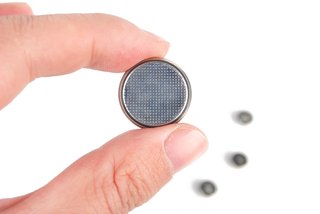
Button batteries are usually small circular batteries. They are found in toys, remote controls, calculators and small electronic devices. They are a choking risk for your child.
If your child swallows a button battery it could seriously burn their insides.
All types of batteries are a risk. But lithium button batteries are the most dangerous. Lithium batteries react with spit (saliva) and leak harmful chemicals.
Be extra careful with objects that may not have locked battery compartments, such as:
- car keys
- hearing aids
- musical greeting cards
- flameless candles
- remote controls
Make sure to safely dispose of any old or used batteries. Supermarkets and other shops that sell batteries often have a collection bin for old or used batteries.
Emergency action required: Go to your nearest emergency department (ED) immediately if:
- you think your child has swallowed a button battery
If your child is over 12 months, give them 2 teaspoons of honey if they can swallow. This can help to protect their insides until they arrive at the emergency department.
Do not give honey to children younger than 12 months.
Carbon monoxide
Carbon monoxide is produced when any fuel is burned. This includes oil, coal, wood, gas and turf.
Carbon monoxide poisoning can happen from the following:
- faulty, damaged or badly installed heating appliances
- heating appliances that are not maintained, serviced or used properly
- not enough air moving around the room
- blocked chimneys or flues
- using a barbecue grill or outdoor heater indoors
- changes or improvements to your home that reduce the flow of air around the property
- running engines in garages or sheds
- using cooking appliances for heat
You cannot see, taste or smell carbon monoxide.
Make sure you have working carbon monoxide alarms in every room in your home. If you rent your home, check that your landlord has installed them.
Get boilers, heaters and cookers installed by a registered installer and serviced regularly by a registered service agent.
Advice on carbon monoxide - carbonmonoxide.ie
Alcohol and cigarettes
Lock alcohol and cigarettes away out of sight and reach. Even small amounts of alcohol can be harmful to your child.
Make sure you empty ashtrays and throw cigarette butts away. Even small amounts of nicotine can be toxic to babies and children.
Other products containing nicotine can harm children. These include nicotine gum, sprays, pastilles and patches. Always keep these products out of sight and reach of children.
Vapes
Do not leave vapes or their refills within reach or sight of children. Vapes also contain nicotine and are toxic to children.
Emergency action required: Go to your nearest emergency department (ED) immediately if:
- your child swallows any vape liquid
Plants
Certain plants can be poisonous, if swallowed. Some can cause skin effects.
Flowers and berries can be attractive to children, who may want to put them in their mouth.
Get rid of any mushrooms or fungi growing in your garden. Remove access to poisonous plants.
Get advice from staff in your garden centre when you buy plants.
Get information about creating child-friendly gardens.
Guide to low toxicity plants for child-friendly gardens and play spaces - poisons.ie
Store plant food, weed killer, slug pellets and other garden chemicals out of the reach of children. If possible, store them in a locked cupboard. Always keep them in their original containers.
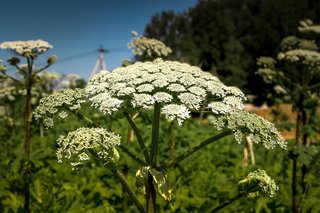
Giant hogweed
The giant hogweed plant is found in grassy or wasteland, especially near water.
Keep your child away from giant hogweed. Even slight contact with this plant can cause serious skin irritation.
Mercury thermometers
Mercury is very poisonous.
Never use a mercury thermometer to take your child's temperature. If the thermometer breaks, glass splinters and mercury can harm your child.
You cannot buy mercury thermometers anymore. But you may still have one in your home.
You may also have room or outdoor thermometers that have mercury in them.
Remove any mercury thermometers from your home.
Non-urgent advice: Contact the National Poisons Information Centre (NPIC) if:
- you break a mercury thermometer
They can tell you how to safely clean up the mercury.
Phone NPIC: 01 809 2166
Monday to Sunday, 8am to 10pm