Sexual harassment can be written, verbal or physical. It can happen to men and women.
Sexual harassment may include:
- unwelcome touching and physical contact
- making promises in return for sexual favours
- leering and staring
- sexual gestures and body movements
- comments of a sexual nature
- questions about your sex life
- sex-based insults
- showing rude and offensive material, such as pornography
- criminal offences such as rude phone calls, indecent exposure and sexual assault
How sexual harassment can affect you
Sexual harassment is a serious and can have a lasting impact on you.
You may:
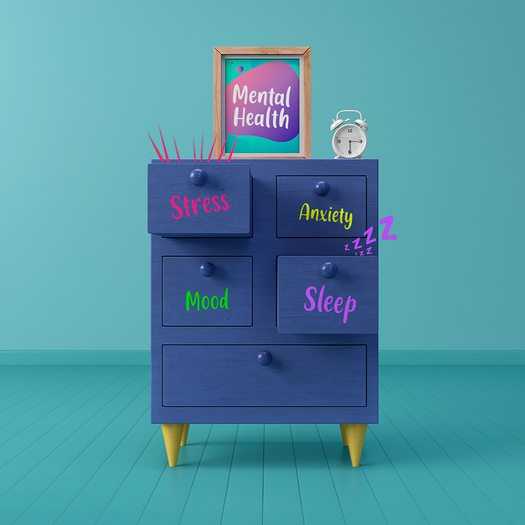
- feel stressed, anxious or depressed
- want to stay away from work
- find it hard to trust your employer or the people you work with
- lose confidence in yourself and your work
- have headaches, backaches and sleep problems
- feel your life outside of work is affected
- find it hard to concentrate
- not get as much work done as you need to
Your rights
No one deserves or asks to be harassed. If someone makes you uncomfortable, tell them.
It is illegal to harass anyone in the workplace.
If you experience sexual harassment at work
Find out what your workplace policy is on sexual harassment. It will usually guide you on how to report it and deal with it.
Write down a record of what happened. Be as specific as possible. Include anything you have said or did to stop the behaviour. The record can be used to make a formal complaint.
Tell someone. Report the behaviour to human resources (HR) or your employer. They may help you in resolving the problem.
Remember:
- if the behaviour is serious or shows no sign of stopping, it's advisable to make a written formal complaint
- if the behaviour continues, you might need extra support such as mediation
- if the person harassing you is your employer and they do not stop, get outside support - for example, from the GardaĆ
It is your right to be protected at work.
Find out more about bullying and harassment
If someone else is sexually harassed at work
If you notice someone else is being sexually harassed:
- tell the person who acts inappropriately to stop
- give your support and advice to the affected person
- report the behaviour to human resources (HR) or your employer
- seek support for yourself if needed
Minding your mental health
It's important to take care of your mental health when you are going through a difficult time.
Things you can do to support and improve your mental health
Talk to someone you trust
It can also help to talk to someone about what you're going through. This could be a friend or family member, or a trained therapist such as a counsellor (talk therapy).
Talk to someone about what's troubling you
Organisations providing mental health support services
More support
Advice on harassment in the workplace - citizensinformation.ie