Bullying in the workplace is common. It can be hard to identify and even harder to know how to deal with it.
When joking or teasing is part of a work environment it can be hard to tell when comments are no longer playful.
No one should feel intimidated or threatened at work.
Types of bullying at work
Bullying at work may include:
- verbal abuse, insulting you or your work
- unfair, overly critical and inappropriate feedback or comments
- excluding or isolating you from people or situations
- psychological harassment (playing mind games, ganging up on you)
- giving you pointless tasks that have nothing to do with your job
- giving you impossible jobs that cannot be done
- changing your work roster to make it difficult for you
- holding back information you need to get your work done
Bullying at work may also include physical bullying, such as:
- pushing, tripping, grabbing or any other type of direct physical contact
- attacking or threatening behaviour
- any form of sexual harassment or abuse, such as flashing or groping
- being forced to do humiliating things to be accepted
These behaviours are illegal. Talk to someone and get help.
It is also illegal for a bully to punish you for reporting the behaviour. This is called victimisation.
Find out more about bullying and harassment
How bullying affects your work
Bullying can have a negative effect on your work performance and wellbeing.
You might:
- be less productive
- be less confident in your work
- feel scared, stressed, anxious or depressed
- experience a negative impact in your life outside of work
- want to stay away from work
- feel unable to trust your employer or the people you work with
- have physical symptoms of stress, such as headaches, backaches, sleep problems
Bullying over a long period of time can impact your:
- mental health
- career progression
- relationships with your partner, family and friends
Your rights in the workplace
Everyone has a right to work in an environment free from harassment of any kind.
Employers and employees have a duty by law to provide a safe and healthy work environment. The human resources (HR) department should have a policy in place for bullying.
Disagreement and conflict are normal at work. Intimidation and aggression are not normal at work.
What you can do
There are steps you can take to deal with bullying in the workplace.
Get advice
Speak to someone about how you might deal with the problem informally.
This person could be:
- an employee representative, such as a trade union official
- someone in the human resources (HR) department
- your manager or supervisor
Some employers have specially trained staff to help with bullying and harassment problems.
If the bullying is affecting your health, talk to your GP.
Stay calm
Criticism or personal remarks are not connected to your abilities. They reflect the bully's own weaknesses, and are meant to intimidate and control you.
Stay calm, and do not be tempted to explain your behaviour. Ask them to explain theirs.
Talk to the bully
The bullying may not be on purpose. If you can, talk to the person in question. They may not realise how their behaviour has affected you.
Try to talk calmly to the person who's bullying you and tell them that you find their behaviour unacceptable. Often, bullies retreat from people who stand up to them.
Work out what to say beforehand. Describe what's been happening and why you object to it. Stay calm and be polite.
If necessary, have a colleague with you when you do this.
If you do not want to talk to them yourself, ask someone else to do it for you. For example, you could ask your manager, or supervisor to talk to them on your behalf.
Keep a diary
Keeping a diary of bullying is known as a contemporaneous record. It will be very useful if you decide to take action at a later stage.
Make a formal complaint
Making a formal complaint is the next step if you cannot solve the problem informally. To do this, you must follow your employer's grievance procedure.
What to do if you're bullied at work - citizensinformation.ie
Taking legal action
Sometimes the problem continues even after you've told your manager.
If nothing is done to put things right, you can consider legal action. This may mean going to an employment tribunal. Get professional advice before taking this step.
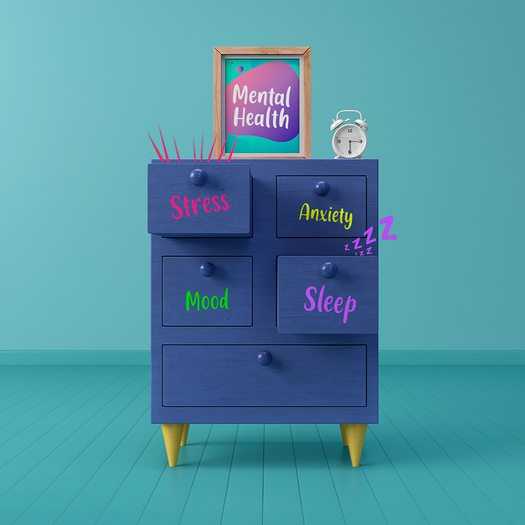
Minding your mental health
It's important to take care of your mental health when you are going through a difficult time.
Things you can do to support and improve your mental health
Talk to someone you trust
It can also help to talk to someone about what you're going through.
This could be a friend or family member, or a trained therapist such as a counsellor (talk therapy).
Talk to someone about what's troubling you
Organisations that offer mental health supports
More support
You can find out more about bullying at work at the Health and Safety Authority.