
- Alert area
-
Dublin - other areas in review
- Warning
-
Higher risk of breathing problems, sedation and overdose
- Release date
-
9 October 2026
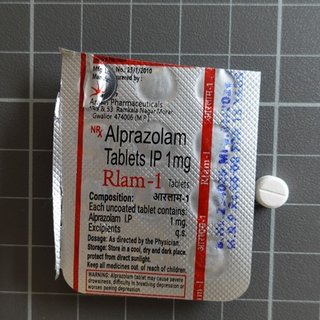
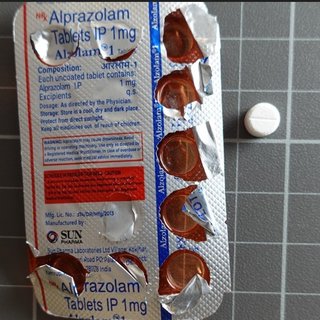
Emergency action required: Call 112 or 999 if
you or someone else has taken tablets sold as benzos and has:
- problems with coordination or slow reflexes
- severe drowsiness - they cannot wake up
- slow breathing or other problems breathing - they may make snoring noises
- cold and clammy skin
- blue or grey lips or fingertips
- a seizure (fit)
Stay with the person until help arrives.
Tell the medics everything you know about the drug and give them any leftover drug if possible. It will help them decide the right treatment.
How to reduce harm
It’s always safest not to take drugs or medicines that are not prescribed to you.
The strength and contents of benzos sold without a prescription can vary. This can happen even if the tablets are packaged like a medicine.
If you use benzos:
- it is safer not to take tablets sold as alprazolam in an orange packet or with Rlam-1 on the label
- use a buddy system if possible - do not use alone
- follow our advice on reducing risks from benzos
Effects of benzos and how to reduce risks
Using benzos and opioids
Some people who use benzos also use opioids and carry naloxone. Use naloxone if you suspect an opioid emergency.
Always call the emergency services. Naloxone cannot reverse the effects of a benzo overdose.
Where to get help
Call 112 or 999 in an emergency.
Find urgent and emergency care
You can contact a drug service if you want help to make a safety plan or access naloxone.
Why we issued this warning
Meclonazepam was found in 2 products sold as alprazolam in Dublin in October 2026.
The effects of meclonazepam last longer than other types of benzos. This increases the risk of breathing problems, overdose and death.
Meclonazepam is a new benzo that:
- is made illegally to mimic prescription benzos
- is not approved for medical use because it is too risky
- may be sold in a packet that looks like a medical product
Information for health and social care workers
We have separate information for frontline workers: