
The BCG vaccine is offered to newborn babies who are found to be at higher risk of tuberculosis (TB). The BCG vaccine helps protect against TB.
BCG stands for Bacillus Calmette-Guérin.
Not every baby needs to get the vaccine. A doctor or nurse will tell you if your baby is at risk of TB and needs a BCG vaccine. If they need it, it's free of charge.
About TB and how it spreads
TB is an infection caused by bacteria called Mycobacterium tuberculosis.
It mainly affects the lungs, but it can also affect other parts of the body, such as the brain. This is more likely in young children.
TB spreads through the air. You can get it when someone with TB in their lungs coughs, sneezes or spits.
You can get medicine to treat TB. But it can take some months to clear.
Babies who need the BCG vaccine
Most babies do not need the BCG vaccine. TB is not common in Ireland. We do not offer it to every child.
Your baby only needs the vaccine if they are under 12 months and:
- live with someone who was born in a country with high TB rates, even if they have not been in that country for years
- were born in or lived for more than 3 months in a country with high TB rates and did not have the BCG vaccine
- were born to parents who have TB
- are in regular contact with someone with TB
The BCG vaccine is especially helpful in protecting babies against more serious forms of TB, such as TB meningitis. This is TB that affects the brain.
Other children at risk of TB
Sometimes a doctor might recommend that another child or group of children gets the BCG vaccine. This could be if they are in a household at high risk of TB.
If you think your child might need the BCG vaccine talk to your GP, GP practice nurse or public health nurse (PHN).
Find a country's rate of TB - who.int
Babies who should not get the BCG vaccine
The BCG vaccine is not suitable for all babies. This includes some babies who are offered it.
Your baby may not be suitable for the BCG vaccine if they:
- already had the BCG vaccine
- have TB
- were exposed to TB and are waiting for test results
- have a weak immune system due to a medical condition or medicine
- have HIV
- had a severe allergic reaction (anaphylaxis) to any ingredient in the BCG vaccine
- have a blood disorder or cancer
- have an infected skin condition - they may be able to get the vaccine in a part of skin that is not affected
The nurse or doctor will talk to you before vaccination. This is to make sure your baby is suitable for the BCG vaccine.
A baby may also not be suitable for the vaccine if their mother:
- took medicine during pregnancy that weakens the immune system
- took high-dose steroids during pregnancy and the baby is under 3 months old
- is breastfeeding and is taking medicine that causes a weak immune system
Tell the clinic if your child has a temperature of 38 degrees Celsius or higher. They may reschedule your child's appointment.
Referral for the BCG vaccine
Your baby will be referred for a vaccine if they need it. BCG is given as an injection, just under the skin, in your baby's left upper arm.
Your baby may have some tests before they get the vaccine.
Heel prick test
Your baby needs to have a heel prick test. This is usually done in the week after birth.
The test checks for some serious medical conditions including conditions that affect the immune system. We need to check the results of this test before we can give your baby the BCG vaccine.
TB test
Your baby should have a TB test before getting the BCG vaccine if they:
- were born in a country with high TB rates or lived there for more than 3 months
- have been in close contact with someone who has TB
Continue with other childhood vaccines
Your baby can get their other childhood vaccines as normal. Do not delay getting other vaccines because they get the BCG vaccine.
If an older child is due another vaccine within 3 months of having BCG, they can get the vaccine in the other arm.
Side effects of the BCG vaccine
Like all medicines, the BCG vaccine can cause side effects.
Common side effects
The most common side effects include:
- a small lump where the injection was given (injection site)
- redness or soreness where the injection was given
- oozing at the injection site - it can take several weeks or sometimes months for the injection site to heal completely
- a small scar after healing
Most children have these side effects. They are normal and show the vaccine is working.
What these side effects look like
The images show a common reaction to BCG vaccination and how a scar develops.
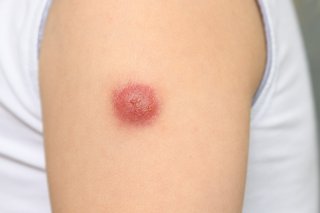
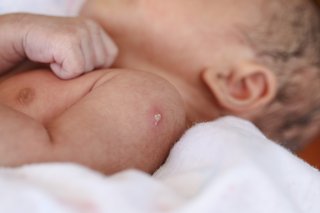
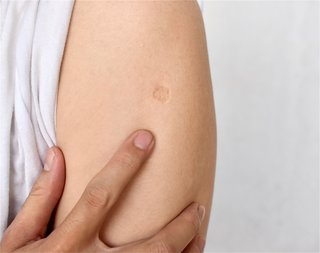
Less common side effects
Less common side effects can include a:
- high temperature of over 38 degrees Celsius
- swollen gland in the armpit
- larger sore at the injection site that takes longer to heal
How to help your baby after the vaccine
There are things you can do to help ease any discomfort your child may have after vaccination.
Do
-
allow the injection site to dry
-
try to prevent friction on the injection site - avoid tight clothes or clothes rubbing against the site
-
put a dry dressing on the injection site if it oozes - but give it some time without a dressing as the air can help with healing
-
put a waterproof plaster over the injection site if you take your child swimming - but take it off after swimming
-
wash or bathe your child as normal, there is usually no need to protect the site
If you are concerned about your child, check the information you were given at the vaccination appointment. This gives details of who to contact during office hours from Monday to Friday.
If you need medical advice outside of these hours, contact your GP or GP out of hours.