
Poisoning is when someone is exposed to a substance that can harm them.
Poisons can be:
- swallowed
- inhaled
- injected
- absorbed through the skin or eyes
Emergency action required: Phone the Poisons Information Line on 01 809 2166 if
you think your child has been poisoned through:
- swallowing
- inhaling
- injecting
- splashing onto skin or into eyes
The Poisons Information Line is open from 8am to 10pm every day.
Outside of these hours, contact your GP or hospital. In an emergency, call 112 or 999.
Common types of poisons
An overdose of medicine is the most common form of poisoning.
This can include:
- medicines you can get without a prescription, such as paracetamol
- prescription medicines, such as heart medicine and antibiotics
Other potential poisons include:
- household products, such as bleach
- cosmetic items, such as nail polish
- some types of plants and mushrooms
- certain types of household chemicals and pesticides
- carbon monoxide
- poorly prepared or cooked food, and food that's gone off or been contaminated with bacteria from raw meat (food poisoning)
- alcohol, if an excessive amount is consumed over a short period of time (alcohol poisoning)
- recreational drugs or substances, such as cannabis gummies, nicotine gum or vapes
- medicines prescribed for pets
Snakes and insects, such as wasps and bees, are not poisonous. But their bites or stings can contain venom (toxin). This may cause an allergic reaction.
If your child puts poison in their mouth
Do
-
phone Poisons Information Line on 01 809 2166, contact your GP or call 112 or 999 in an emergency
-
take the poison away
-
make them spit it out
-
move your fingers around their mouth and flick out any remaining pieces
-
keep the container, if there is one - it has useful information for doctors and nurses
Don't
-
do not make your child vomit - this can cause more harm, especially if a child chokes on their vomit
-
never give a child salt water to drink as this can cause serious harm
If poison splashes into your child's eyes
Wash your child's eyes out immediately with lukewarm running water. Continue washing for at least 15 minutes.
Do not put anything onto the eye other than water.
If a poison splashes onto your child's skin
Remove any contaminated clothing. Make sure you do not come into contact with the poison.
Wash the skin thoroughly with running tap water and soap for at least 15 minutes. Make sure the water drains away from your child and you.
Do not put anything on the exposed skin other than water.
If your child inhales a poison
Do not put yourself in danger. Do not enter a contaminated area without proper protective equipment (PPE).
- Move your child to fresh air as soon as possible.
- Make sure your child's airway is clear.
- Phone 112 or 999 in an emergency.
- Start CPR (mouth-to-mouth) if your child is not breathing.
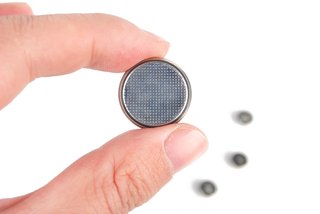
If your child swallows a button cell battery
Emergency action required: Go to nearest emergency department (ED) that admits children if:
- you think your child has swallowed a button battery
Give 2 teaspoons of honey to children over 12 months of age if they are able to swallow and are not choking.
Do not delay going to hospital. A button battery stuck in the throat is a medical emergency.
Button cell batteries can cause severe injuries if swallowed, including:
- burns to the throat, stomach or intestines
- internal bleeding
- choking
They can sometimes cause death.
If your child swallows a jewellery ring
Jewellery rings are not toxic. But they can cause internal injury if they:
- get stuck in the throat or gut
- have sharp edges
Take your child to the nearest emergency department (ED) if your child swallows a ring.
Bring the poison with you to hospital
If your child needs to go to hospital, try to bring some of the poison with you.
It may be helpful to bring:
- the container that the poison was in
- a sample of the plant suspected in poisoning
- a mushroom or part of a mushroom that was suspected in poisoning