Alcohol poisoning happens when you have too much alcohol in your blood and your normal bodily functions begin to shut down.
It is often linked to binge drinking. This is when you drink too much over a short time.
Alcohol is toxic. When alcohol breaks down in your body it creates an even more toxic substance. This is called acetaldehyde. It can make alcohol poisoning worse.
Alcohol poisoning can make you seriously ill. It is a medical emergency.
Alcohol poisoning is also called alcohol overdose.
Risk factors for alcohol poisoning
Anyone who drinks large amounts of alcohol is at risk of alcohol poisoning.
Other risk factors include:
- your sex
- your age
- how quickly you drink
- your sensitivity or tolerance for alcohol
- medicines, if you take any
- use of other drugs while drinking
Drinking on an empty stomach can also contribute to alcohol poisoning.
Recognising symptoms
The symptoms between alcohol poisoning and being drunk can be similar. But alcohol poisoning symptoms are more severe.
Knowing the differences can help you get the right care for someone if they drink too much.
Symptoms of alcohol poisoning
The signs of alcohol poisoning vary from person to person.
They may include:
- severe confusion
- vomiting a lot
- seizures (fits)
- slow breathing (less than 8 breaths a minute)
- being unresponsive or lose consciousness
- low body temperature - the person may be shivering and feel cold and clammy
- skin may look pale and bluish
Symptoms of being drunk
Symptoms of being drunk are less severe and can include:
- slurred speech
- difficulty walking
- nausea and vomiting
- not thinking clearly
- lack of inhibitions - doing things you would not normally do
- drowsiness
- extreme emotions - for example, very sad or happy
How to help if someone is drunk
Alcohol poisoning is a medical emergency
Emergency action required: Call 112 or 999 and ask for an ambulance if:
- you think someone has alcohol poisoning
- someone has lost consciousness
- someone has stopped breathing
If you’re not sure if the person has alcohol poisoning, call 112 or 999 and describe the person's symptoms. The emergency services can tell you what to do.
You cannot care for someone with alcohol poisoning at home. They need hospital treatment.
What to do while you wait for help
There are things you can do for the person after calling for an ambulance.
Do
-
put them in the recovery position so they do not choke on any vomit
-
monitor their level of response - shout their name or ask if they are OK
-
if they become unresponsive, open their airway, check their breathing and prepare to give CPR
-
keep them warm with a blanket or coat
-
stay with them, even if they appear to be breathing normally - alcohol levels can continue rising for up to 40 minutes after the last drink
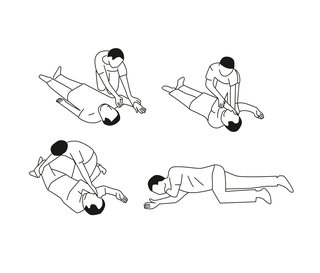
How to put someone in the recovery position
If the person is breathing, put them in the recovery position:
- Kneel by the person and straighten their legs.
- Put the elbow closest to you in line with their shoulder.
- Place the palm of their hand facing up in line with their head.
- Put their other arm across their chest.
- Put the back of their other hand against the cheek closest to you and hold it there.
- With your free hand, lift the back of the knee that is farthest away from you.
- Carefully pull the bent knee towards you - keep the back of the person’s hand pressed against their cheek. This will roll the person onto their side.
- Position their bent leg at a right angle.
- Gently tilt the person’s head back and lift their chin. This keeps their airway open.
If you cannot put the person in the recovery position, put them on their side.
Do not
-
do not try to make them vomit
-
do not give them anything to eat or drink
-
do not let them drink more alcohol
-
do not put the person in a cold shower or bath
What happens in hospital
Alcohol poisoning treatment usually involves monitoring and managing symptoms. This can help prevent complications, such as liver and heart failure. These can be fatal.
Treatment may include:
- monitoring vital signs such as heart rate and blood pressure to identify potential problems with body organs
- monitoring of breathing - oxygen may be given
- fluids into a vein (intravenously - IV) to prevent dehydration
- getting glucose - if blood sugar levels are low
When the effects of the alcohol wear off, the care team may assess the person for substance use disorder.
They may make a referral for further assessment or treatment.
Although alcohol poisoning can be life-threatening, most people recover. Especially when they receive the proper care.
Stomach pumping is rare
Stomach pumping is rarely used to treat alcohol poisoning.
How long you stay in hospital
How long you need to stay in hospital depends on how badly you have been affected.
If someone is drunk with no symptoms of alcohol poisoning
If someone is drunk and does not have signs of alcohol poisoning they will probably not need medical attention.
But it is best that you:
- stay with them
- make sure they do not vomit while lying on their back - they could choke
- stop them from harmful behaviour
- encourage them to drink water
- keep them warm
- let them rest
You will need to get medical help if:
- they get extremely confused
- they lose consciousness
- their temperature goes very low and they show signs of being cold